- End-of-life preparation
- Grief & Healing
- Faith, Culture & Traditions
What is Death Anxiety? Ebola, Covid and Fear of Dying [Part 2]
__Continued from Part 1__: In the previous article, we relived the painful memories of the Covid-19 years starting with the dramatic press conference by then President Uhuru Kenyatta that ushered in the era of lockdowns and the death and devastation that followed. We saw how the fear of dying literally suspended reason as neighbour turned against neighbour - returnees fleeing Covid abroad being treated as criminals bringing death home. In this Part II, we delve deeper into death anxiety, what is it? What are the signs?

Eric Ndubi
6 min read
Continued from Part 1: In the previous article, we relived the painful memories of the Covid-19 years starting with the dramatic press conference by then President Uhuru Kenyatta that ushered in the era of lockdowns and the death and devastation that followed. We saw how the fear of dying literally suspended reason as neighbour turned against neighbour - returnees fleeing Covid abroad being treated as criminals bringing death home. In this Part 2, we delve deeper into death anxiety, what is it? What are the signs?
This is a 3-part series, Read Part 3 (What Can You Do About the Fear of Dying?) and Part 1 (Ebola in Kenya & Covid Memories).
When Health CS Aden Duale on Tuesday, October 6, announced the first ever case of Ebola in Kenya - and confirmed that it ended in the death of the patient, it is not surprising that one may start seeing the reactivation of a very specific linguistic toolkit you first encountered during the Covid season.
Unpleasantly familiar terms such as case count, contact tracing, isolation, quarantine, border screening, point of entry, high-risk contacts, PPE (Personal Protective Equipment), imported case, incubation period and so on.
And, if you are an overthinker like me, you may be even wondering if we are headed to the same fate as Covid and especially when you hear that this virus has a case fatality rate of approximately 50%, which is much higher than Covid’s 1.65%.
Death Anxiety
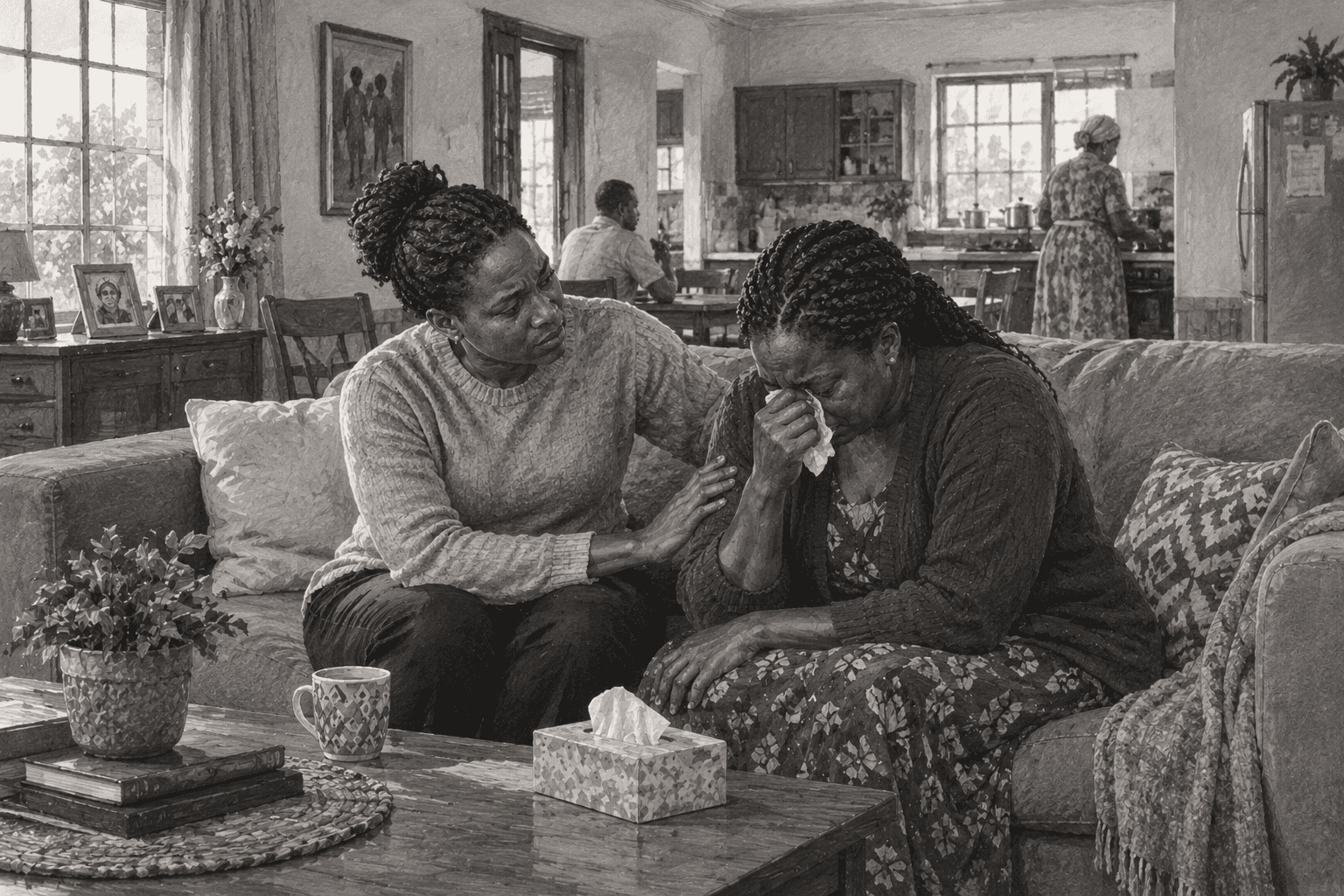
Clinically known as thanatophobia, death anxiety is the profound and often subconscious fear we experience when we contemplate our own death or the death of our loved ones. And for the most part it is perfectly normal. In fact, a little of it is useful because it can keep us safe; washing our hands, wearing seat belts and visiting the doctor, etc.
It becomes a problem when it takes over our thoughts and behaviour. If your fear of death is stopping you from enjoying life, for example if you feel extremely distressed when you think about death, you spend a lot of time thinking about it or fear of death is stopping you from doing important things, you are said to be struggling with death anxiety.
According to an information guide by Psychology Tools, people struggling with death anxiety might worry about some of the following:
The process of dying (e.g., “Dying will be painful”).
What happens after dying (e.g., “What if I go to hell after I die?”).
The consequences of dying (e.g., “My death will make my family suffer”).
Other people dying (e.g., “I won’t be able to cope when my partner dies”).
Death overall (e.g., “Why is death so cruel and unfair?”).
Signs of Death Anxiety in Daily Life
Anxiety about death may not always be distinguishable from everyday worries. You could say it is like a persistent feeling that something bad is going to happen.
Here are some examples of how death anxiety could manifest itself in daily life:
Constantly thinking about the possibility of dying: Intrusive thoughts, existential dread, or a constant loop of negative thinking regarding your health or the safety of loved ones. Repeatedly wondering, What if I get sick? What if my child gets sick? What if something happens to my parents?
Hyper-vigilance and obsession: Every minor symptom; a headache, a cough, a sudden fever, or fatigue is immediately catastrophised into a terminal diagnosis.
Avoidance behaviors: Going out of your way to avoid anything related to death, such as funerals, hospitals, or conversations about aging and death.
Imagining the worst-case scenario: A real but relatively uncertain threat can quickly become - in your mind - a prediction that you or someone you love will die.
Physical reactions: Sudden panic-like episodes involving a rapid heartbeat, dizziness, shortness of breath, nausea, or sweating when thinking about dying.
Anticipatory grief for loved ones: Beyond the fear of our own demise, death anxiety tortures us with mental movies of losing our children, parents, or partners, making ordinary separation feel perilous.
Death Anxiety During an Infectious Disease Outbreak
Most of us do not spend our days thinking about death. But certain events such as the announcement of Kenya’s first-ever Ebola case can immediately send this anxiety into overdrive.
Especially with the memory of the Covid-era devastation, this news can abruptly pull deep-seated existential fears into our daily consciousness. Here are some outbreak-specific examples of death anxiety showing up in daily life:
Information Obsession and Rumour Consumption:
Doomscrolling: People find themselves unable to put their phones down, constantly refreshing news sites and social media for updates on contact tracing or new suspected cases and forwarding every rumour you receive.
Seeking constant reassurance: You repeatedly check the news, ask other people whether they are worried, or search for symptoms online because you want to feel certain that you and your family are safe.
Avoiding ordinary activities: You stop going to places, seeing people or doing things you would normally do because the possibility of getting sick feels too frightening.
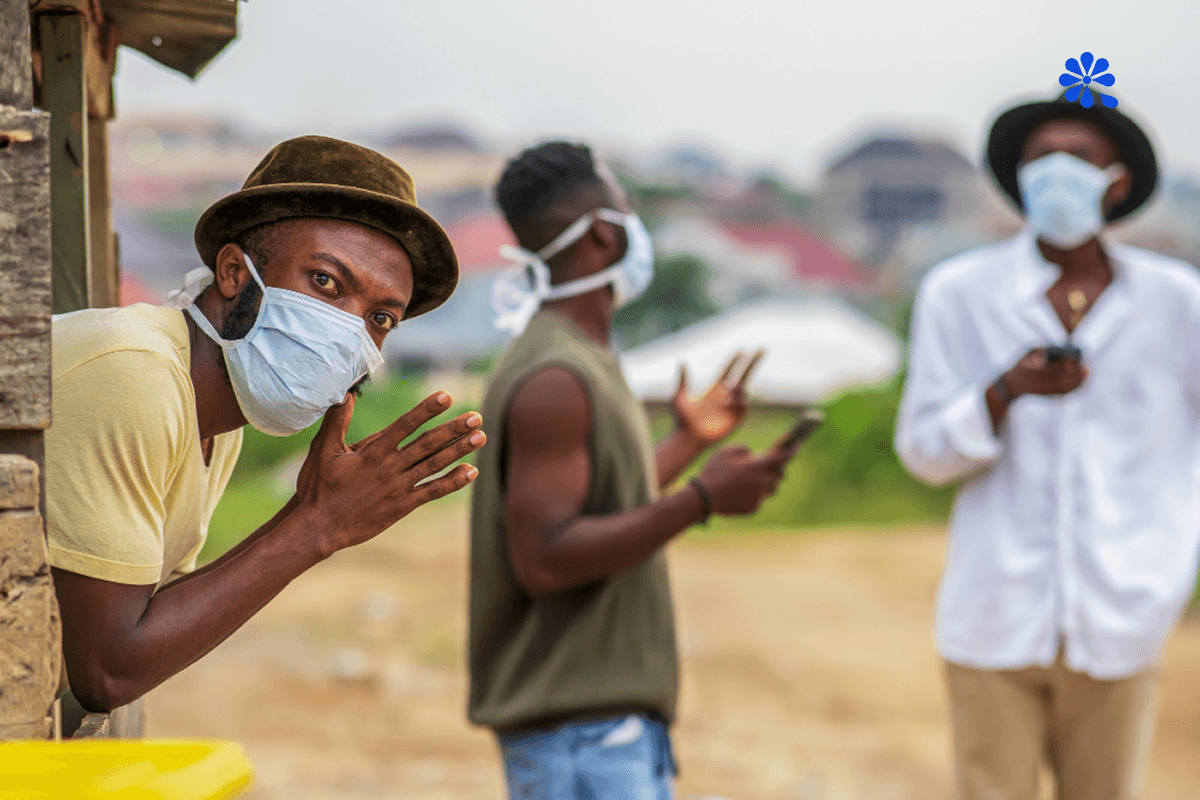
Public scanning: In crowded spaces like boarding a matatu or walking through a market, people intensely scan others. Anyone coughing, looking fatigued, or wiping sweat away is instantly viewed as a threat, causing immediate physical avoidance and spikes in heart rate.
Distrust of minor ailments: If a family member develops a standard seasonal flu, the anxiety can cause the household to panic, creating an agonizing dilemma: Do we take them to a hospital where they might be exposed to worse, or do we isolate them at home in fear?
The "Symptom Check" loop: Every minor bodily change triggers panic. A normal headache from dehydration, a sudden sweat due to the afternoon heat, or a mild stomach ache is immediately misinterpreted as the onset of Ebola. People constantly check themselves and their children for fevers.
Hyperprotective isolation: The fear of losing family members manifests as intense control over their movements. Parents may become overly restrictive, refusing to let children play outside or questioning a partner intensely about exactly where they went and who they sat next to during their commute. Older children may find it necessary to keep calling parents repeatedly, or wanting to control where they go.
Erosion of daily touch and social rituals: Long handshakes, hugs, shoulder bumps are replaced with awkward hesitation or outright refusal as physical touch suddenly carries the weight of a life-or-death risk.
Needing Someone to Blame
Fear has an important job: it helps us recognise danger and protect ourselves. But when the fear of death becomes overwhelming, it can also affect our judgement.
We saw some of this during Covid. Some Kenyans returning from countries affected by Covid were treated with extraordinary suspicion simply because they had travelled. Instead of seeing a returning traveller as a person who might be frightened, sick, healthy or simply trying to get home, some people saw them primarily as a potential source of death.
Psychologists explain this through terror management theory. When we are reminded that we will die, we look for a way to feel safe, and one easy way is to draw a line between "us" (safe) and "them" (dangerous).
The returning traveller becomes the embodiment of the threat. Treating them as a criminal is not logical, but it calms the fear for a moment. Fear, not malice, drives much of this behaviour, and that is why it helps to recognise it in ourselves.
This is a 3-part series, read on: