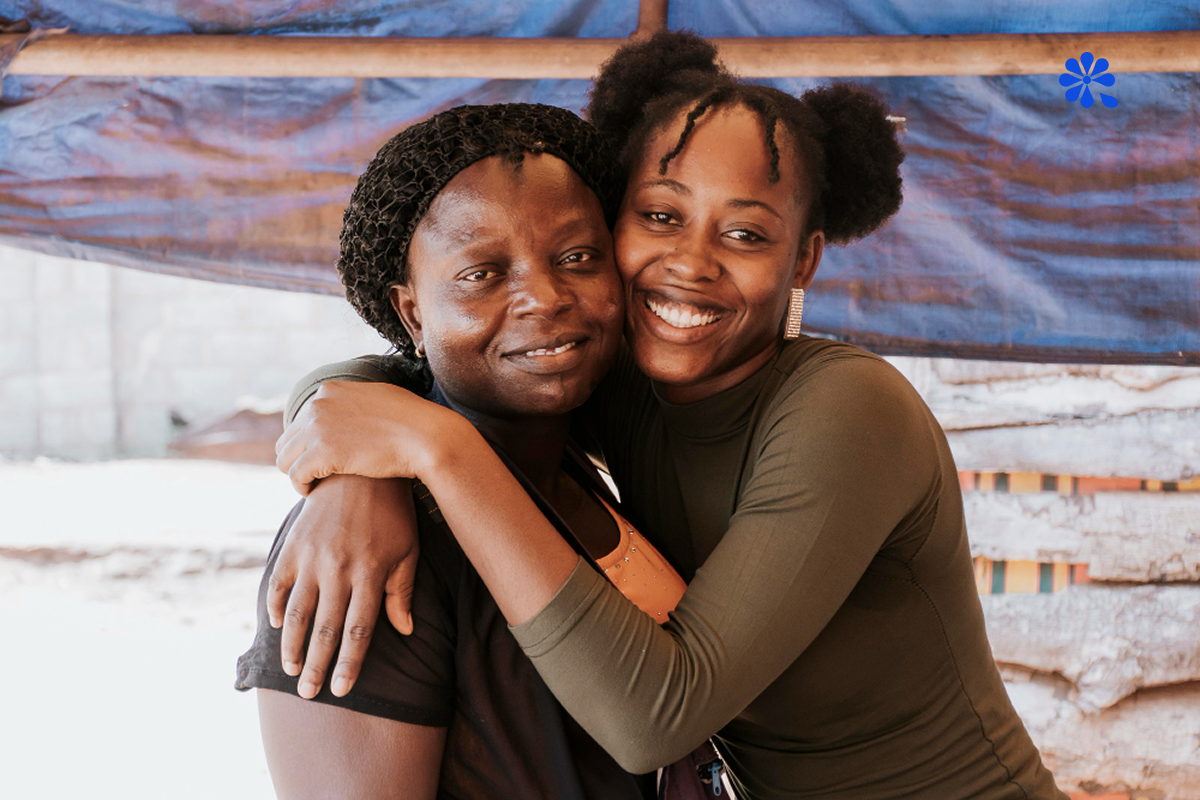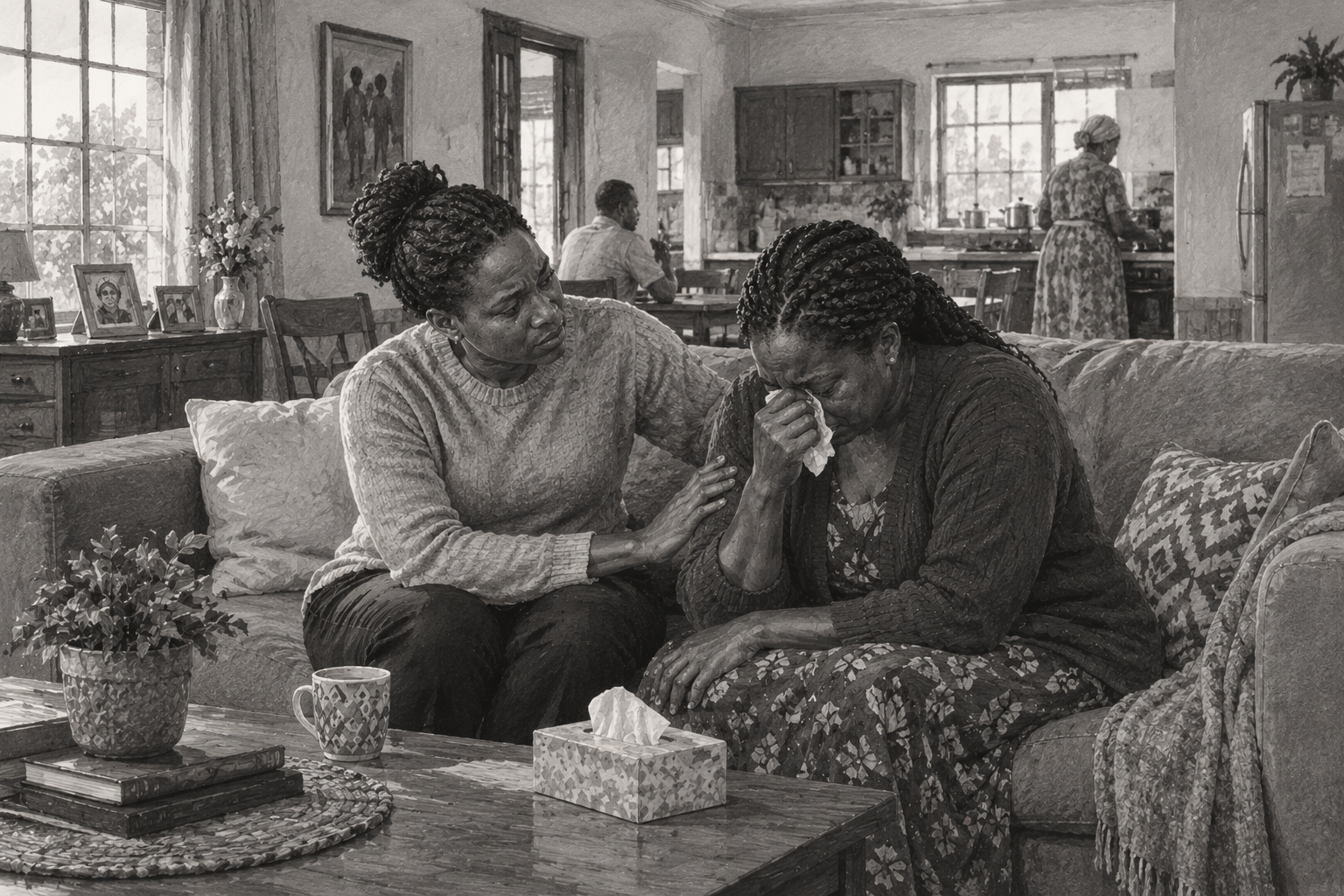
There are people who walk with us for so long that they become woven into our sense of self. For many, that person is a sibling - the one who witnessed our childhood, shared rooms, argued over small things, and grew alongside us through every season of life.
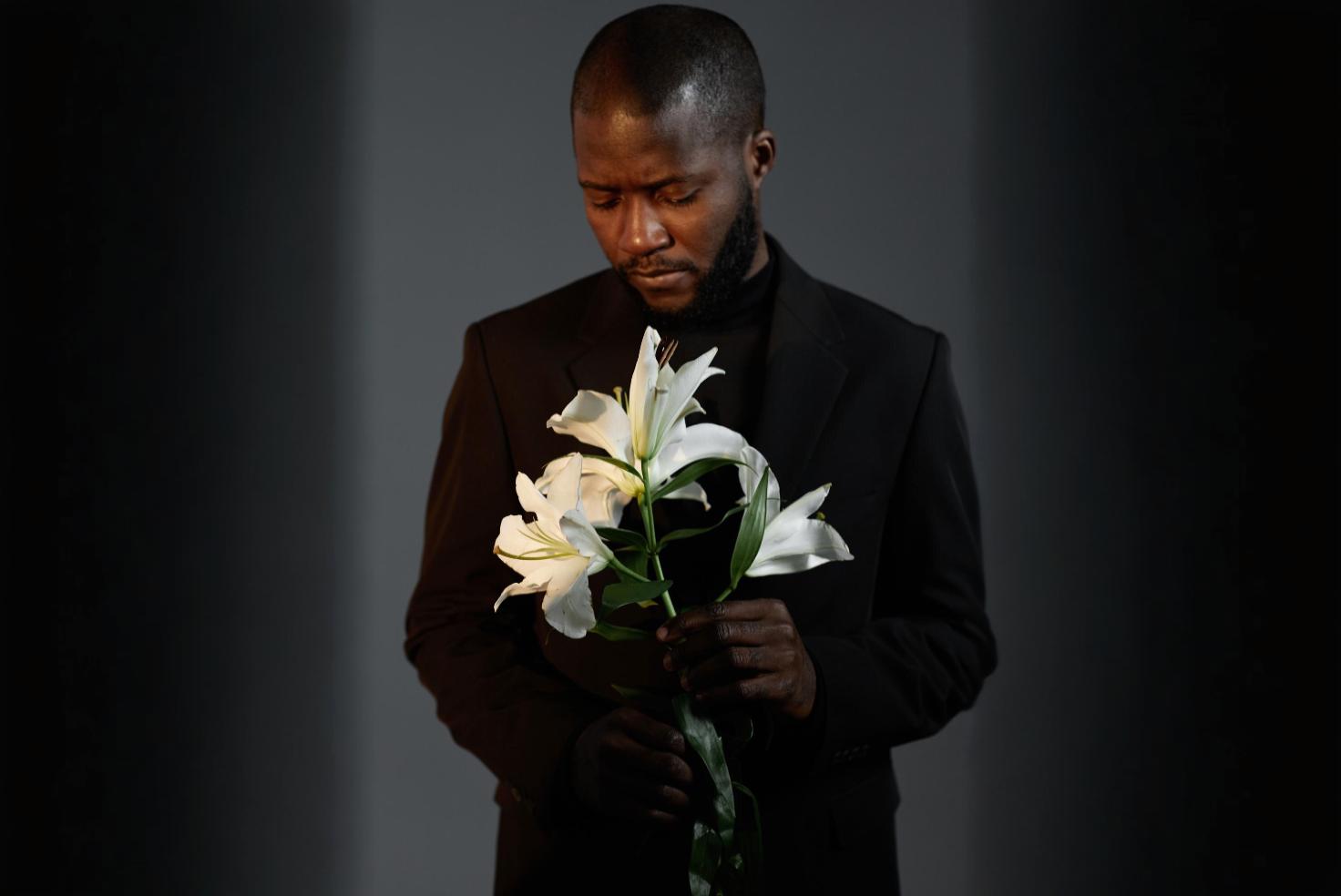
Sibling grief often sits in the background, quiet and unseen. Parents are at the centre of sympathy, the children and the spouse are comforted while brothers and sisters are expected to “be strong.”
For many Kenyans in the diaspora, loss back home comes with a double burden. Not only do you face the pain of losing someone you love, but you also carry the ache of distance. The phone call announcing the death feels unreal, and by the time you’ve processed it, you’re already scrambling for flight prices or checking livestream links.
When a loved one dies, most families in Kenya are thrown into a whirlwind of grief, cultural obligations, and practical decisions. Suddenly, relatives are asking: Where do we take the body? How do we get a casket? Who organizes the service? The pressure is heavy, especially when time is short.
Death is painful, but the lack of a succession plan makes it even harder. Families that should be leaning on each other for support often end up divided by disputes. By planning ahead, loved ones are spared the burden of conflict and allowed to focus on what truly matters, honoring the memory of the person they’ve lost.
Grief used to be confined to homes, places of worship, and gravesides. You mourned with neighbors, relatives, and close friends who showed up in person. But today, grief often spills into digital spaces: WhatsApp groups, Facebook timelines, and even TikTok tributes.
Grief doesn’t end with a funeral. For many families, the real journey begins in the weeks and months after, when people are searching for ways to hold on to memories.
A funeral committee helps a family turn many moving parts into a clear plan, share the workload, and keep money matters transparent.
Done well, it preserves dignity, reduces stress, and lets the family focus on what matters: honouring a life.
Losing a loved one while living abroad is a layered pain. Beyond the grief itself, there’s the ache of distance — being unable to hug your mother, sit with cousins, or take part in the rituals that make loss feel shared. You’re left watching updates unfold through WhatsApp groups and phone calls, your mourning filtered through screens.
When COVID-19 arrived, it didn’t just disrupt our work, schools, and daily routines — it also disrupted how we say goodbye to those we love. Families who would have normally gathered in the hundreds for funerals were suddenly limited to small groups, socially distanced, or forced to follow proceedings on livestream. Communities that once found healing in closeness had to adapt to grief from afar.
When death strikes a family in Kenya, emotions run high and decisions pile up quickly. Suddenly, relatives find themselves dealing with dozens of calls, endless logistics, and mounting costs — all while trying to grieve. It’s overwhelming, especially if you’ve never been involved in planning a funeral before.
One of the first surprises is just how many different service providers, or “vendors,” you’ll need to engage. From mortuary services to transport, catering to tents and chairs, funerals in Kenya have become complex events that require coordination. Knowing in advance who these vendors are and what they do can make a world of difference.
This article breaks down the eight most common funeral vendors you’re likely to encounter, what they provide, and why they matter. The goal is simple: to help you feel less blindsided, more prepared, and better equipped to support your family during one of life’s hardest moments.
In many Kenyan families, conversations about death are quickly brushed aside. “Don’t speak such things into existence,” a parent might say, or an elder may change the topic altogether. It feels safer to leave the unknown unspoken. Yet, when we avoid these conversations, we leave our families unprepared for the inevitable.
The truth is, death is part of life. Pretending it won’t come doesn’t prevent it — it only increases the pain and confusion when it does. This article explores why we struggle to plan for death, how cultural and emotional barriers keep us silent, and why breaking that silence is one of the greatest acts of love we can offer our families.
Grief is rarely a straight line. In Kenya, as in many parts of the world, people experience loss in ways that are deeply personal but also shaped by our cultural, religious, and digital environments. Some losses are expected, others sudden. Some are widely acknowledged, while others are carried in silence.
Yet today, grief doesn’t just live in our hearts, homes, or churches. It also shows up in our WhatsApp groups, on Instagram timelines, and in the quiet searches we make on Google late at night. Understanding the different types of grief — and how they manifest online and offline — helps us name our pain and find healthier ways to carry it.
This article explores three often misunderstood forms of grief: anticipatory, complicated, and disenfranchised grief.
Losing someone you love can feel like the ground has shifted under your feet.
In the shock and swirl of phone calls, decisions, and emotions, it’s natural to wonder: “Is it too soon to create a memorial page?”
You don’t have to get everything right on day one. A memorial page isn’t about perfection — it’s about beginning a gentle, shared space where love, stories, and practical updates can live.
Losing a loved one comes with many difficult decisions. One of the most significant is choosing how to lay them to rest.
In Kenya, families often weigh between burial and cremation — a choice influenced by culture, religion, personal preference, and practical considerations.
While both are legally recognized, they carry different expectations and experiences. Understanding these differences can help families make an informed and respectful choice.
In Kenya, when loss strikes, family and friends rally together. It’s one of the most comforting parts of our culture: no one mourns alone.
Yet behind the warmth of support lies an uncomfortable reality — asking for help can feel like a burden. Many worry about being “too demanding,” about overburdening friends, or about appearing ungrateful.
But the truth is this: asking for support during a funeral doesn’t have to create guilt or pressure. With the right approach, you can invite others to stand with you in love, not obligation. Here’s how to do it in a way that feels natural, respectful, and easier for everyone involved.
Digital memorials are a gentle and meaningful way to honor someone’s life. They provide a space for reflection, support, and ongoing connection. In times of grief, having a place where love and memories can live on brings comfort.
When a loved one passes, grief is often accompanied by complex decisions — one of the most sensitive being: who should take the lead in planning the funeral? In many families, this becomes a point of confusion or even quiet tension, especially when the immediate children and extended family members (like uncles and aunties) have different views.
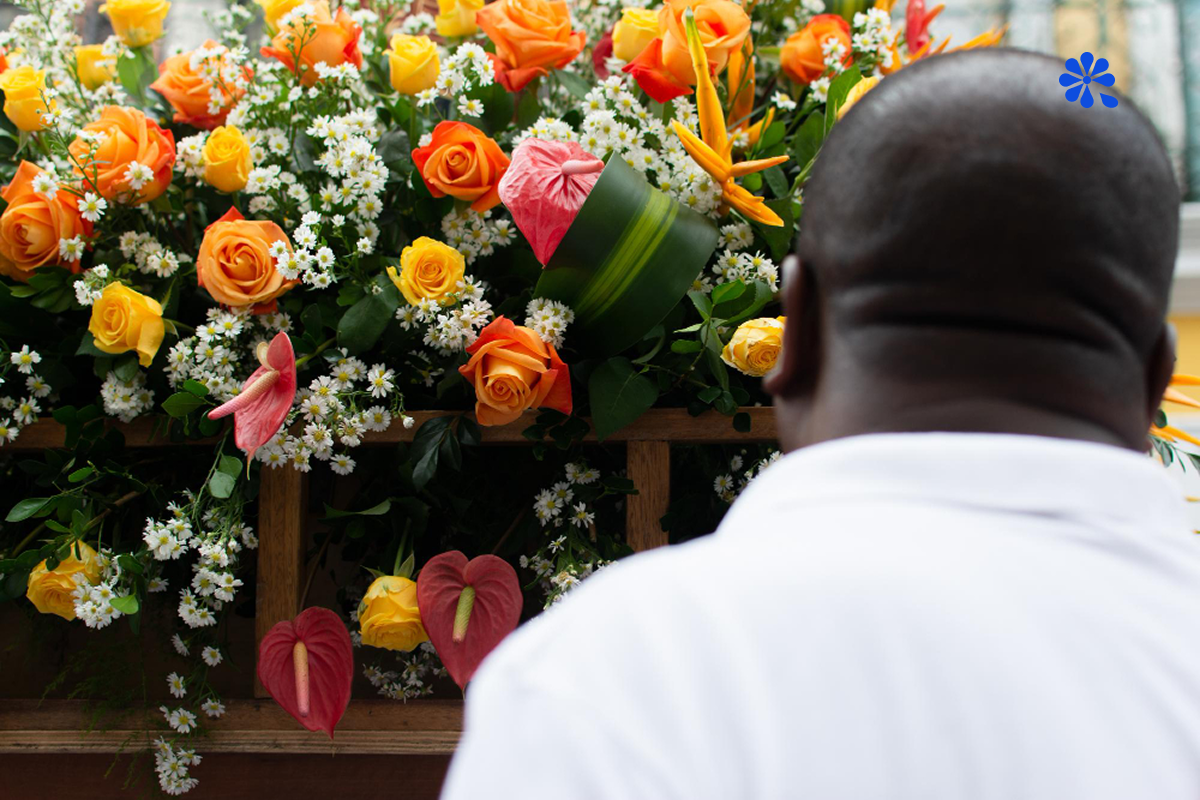
Whether you choose to send flowers, make a donation, or both, the most important thing is that your gesture comes from the heart. During times of loss, small acts of kindness mean a great deal.
A practical and compassionate guide on how to support someone who’s grieving. This article explores thoughtful things to say, common phrases to avoid, and offers gentle reminders for being present during times of loss.
Tribute trees are trees planted in memory of someone who has passed away. These trees can be planted in a garden, a park, or through special tribute tree programs that help plant trees in forests or public spaces. Some families also add a small plaque or message next to the tree, making it a quiet place to visit and reflect.