November is Sibling Loss Awareness Month, a time to recognise a grief that is often overlooked. When a brother or sister dies, surviving siblings are usually the ones holding everything together for everyone else. This month is a reminder that their loss deserves care too.
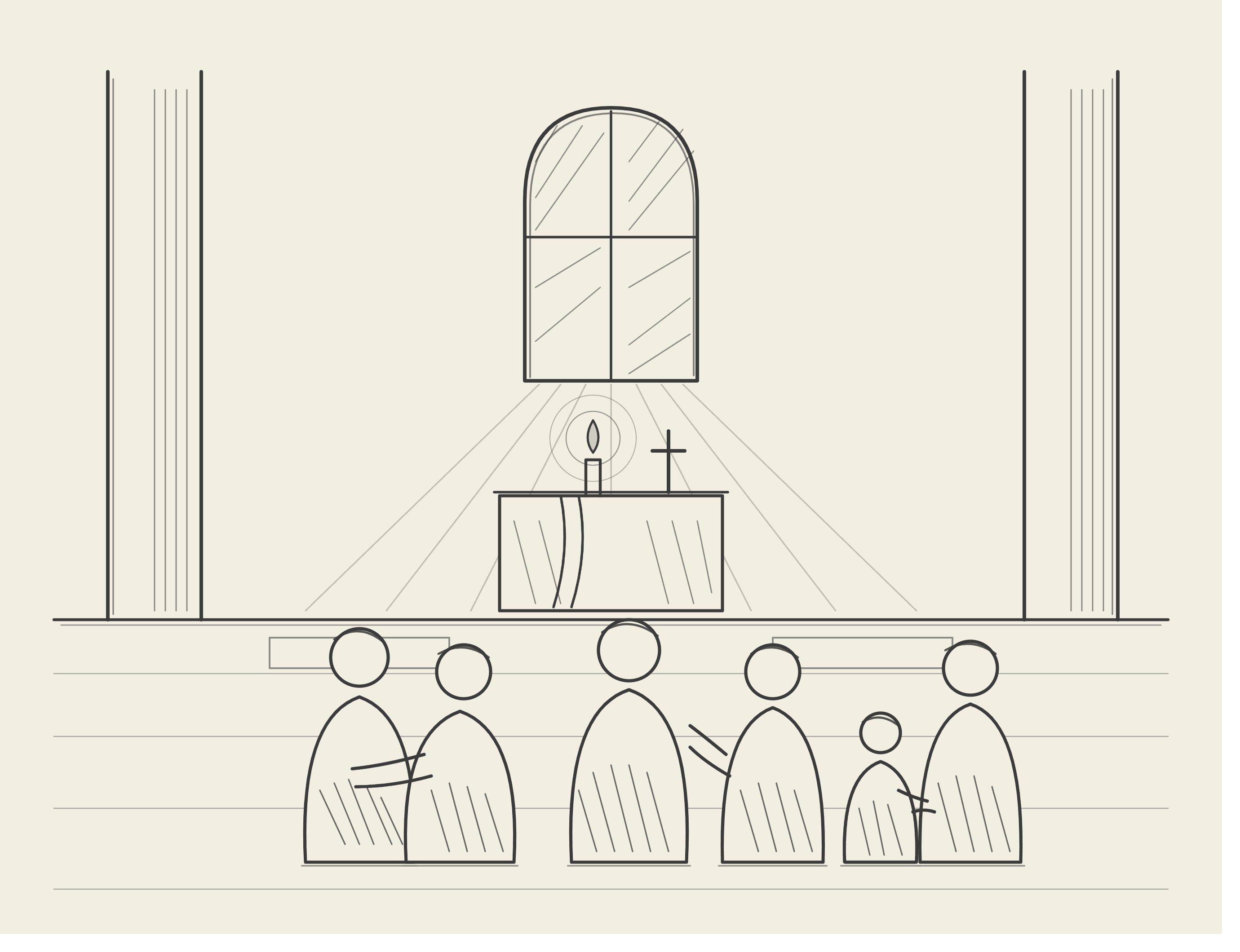
Father Sánchez went to church that Saturday evening to celebrate Mass and share a message with his congregation. He could not have known that the celebration would end in the tragedy of his own death, or that his reflections on death would reach so many people under such heartbreaking circumstances.
Continued from Part 2: in the previous article, we took a deep dive into death anxiety, how it manifests generally and especially during an infectious disease outbreak. We established that fear of death is a normal human response to the reality of our mortality, but if it reaches a point of preventing you from enjoying life - that’s a problem. And there is no better time for these fears to be heightened than in the face of one of the world’s deadliest ailments - Ebola. It’s even worse when you have experienced the devastation of Covid-19. So what can we do to manage the anxiety?
__Continued from Part 1__: In the previous article, we relived the painful memories of the Covid-19 years starting with the dramatic press conference by then President Uhuru Kenyatta that ushered in the era of lockdowns and the death and devastation that followed. We saw how the fear of dying literally suspended reason as neighbour turned against neighbour - returnees fleeing Covid abroad being treated as criminals bringing death home. In this Part II, we delve deeper into death anxiety, what is it? What are the signs?
With the first-ever case of Ebola now in Kenya, and sadly being a fatality, the announcement inevitably brings back terrible memories from the Covid era and with them the absolute terror of a painful death. What do we need to learn about the fear of death so we can handle even the most terrifying threats with confidence?
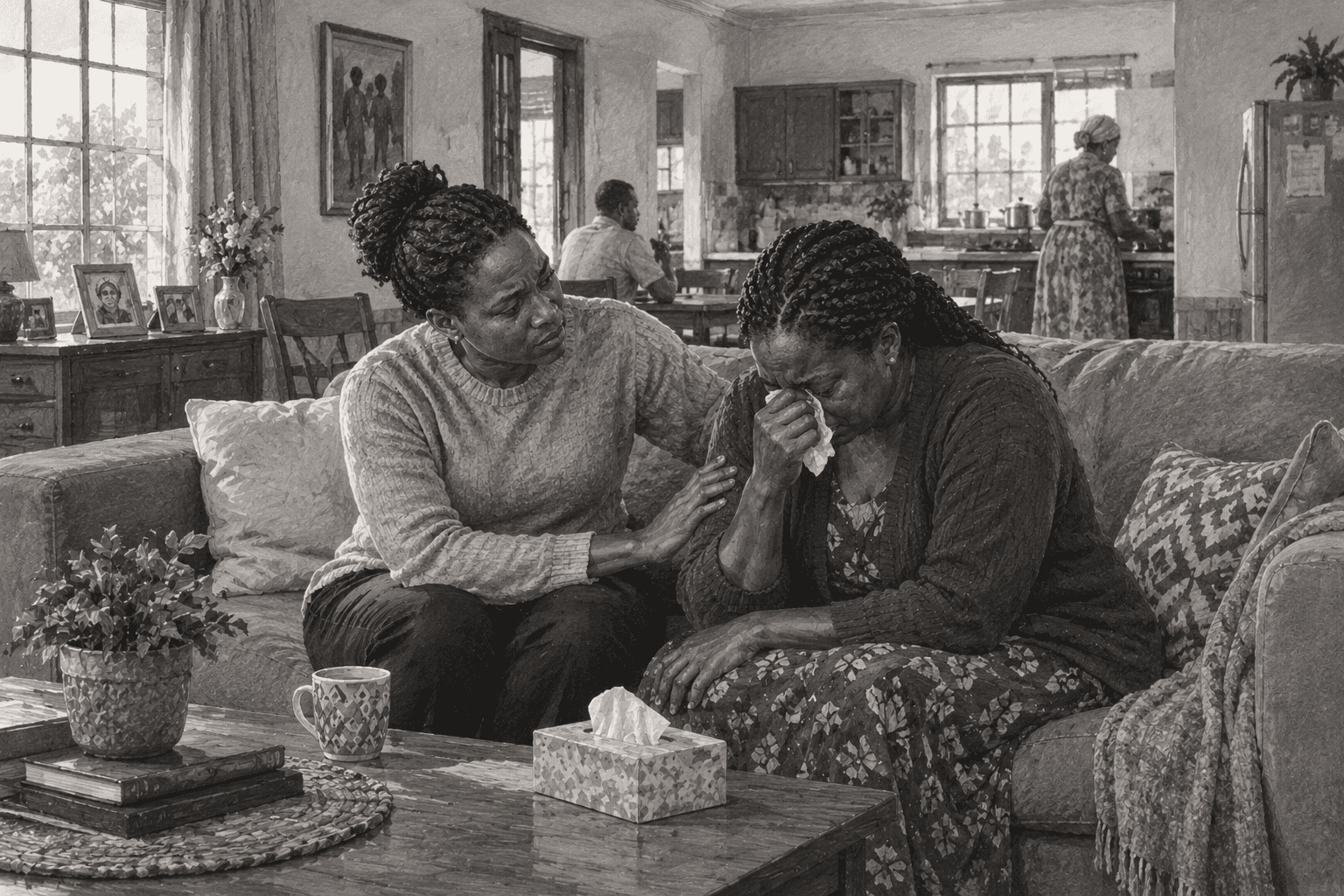
When you have spent most of your young adult life largely being a spectator in burials and funeral preparations...and then suddenly death starts hitting home ever so often, you are confronted with a new reality - learning grief companionship skills. What do you say to someone whose heart has been crushed into a thousand pieces. Is there anything that can make it feel better?
…and you never reached out.
For the last 11 years of my adult life, I have been blessed with the fortune of self-dependence. I have earned a decent living from just one core skill - writing - and its associative forms; journalism, communications, research, marketing, etc. About 25 years ago, I met the person who taught me this precious skill, this April she passed on - and I never got to tell her how much she impacted my life.
There are people who walk with us for so long that they become woven into our sense of self. For many, that person is a sibling - the one who witnessed our childhood, shared rooms, argued over small things, and grew alongside us through every season of life.
Sibling grief often sits in the background, quiet and unseen. Parents are at the centre of sympathy, the children and the spouse are comforted while brothers and sisters are expected to “be strong.”
Grief used to be confined to homes, places of worship, and gravesides. You mourned with neighbors, relatives, and close friends who showed up in person. But today, grief often spills into digital spaces: WhatsApp groups, Facebook timelines, and even TikTok tributes.
Grief is rarely a straight line. In Kenya, as in many parts of the world, people experience loss in ways that are deeply personal but also shaped by our cultural, religious, and digital environments. Some losses are expected, others sudden. Some are widely acknowledged, while others are carried in silence.
Yet today, grief doesn’t just live in our hearts, homes, or churches. It also shows up in our WhatsApp groups, on Instagram timelines, and in the quiet searches we make on Google late at night. Understanding the different types of grief — and how they manifest online and offline — helps us name our pain and find healthier ways to carry it.
This article explores three often misunderstood forms of grief: anticipatory, complicated, and disenfranchised grief.
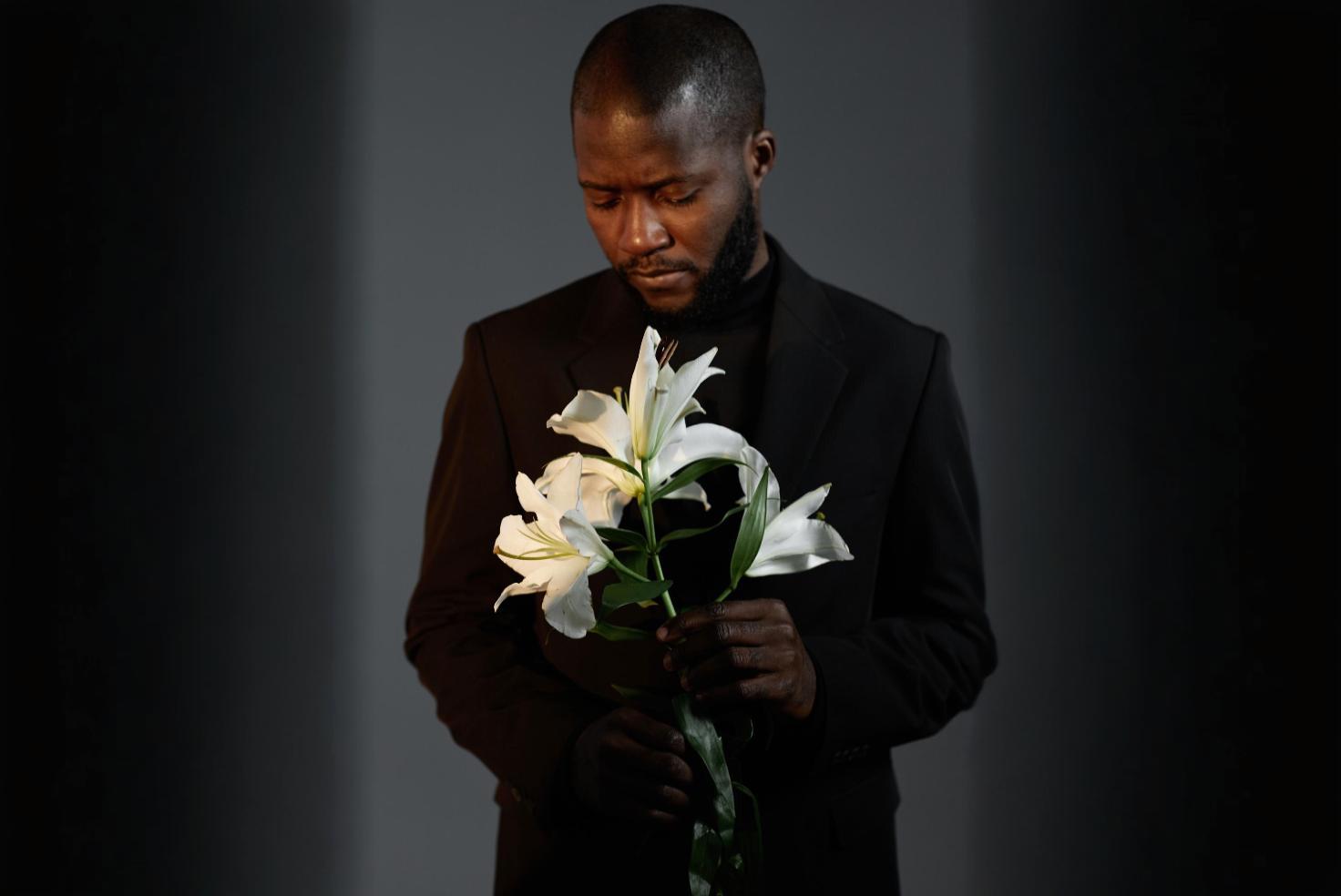
Whether you choose to send flowers, make a donation, or both, the most important thing is that your gesture comes from the heart. During times of loss, small acts of kindness mean a great deal.
A practical and compassionate guide on how to support someone who’s grieving. This article explores thoughtful things to say, common phrases to avoid, and offers gentle reminders for being present during times of loss.