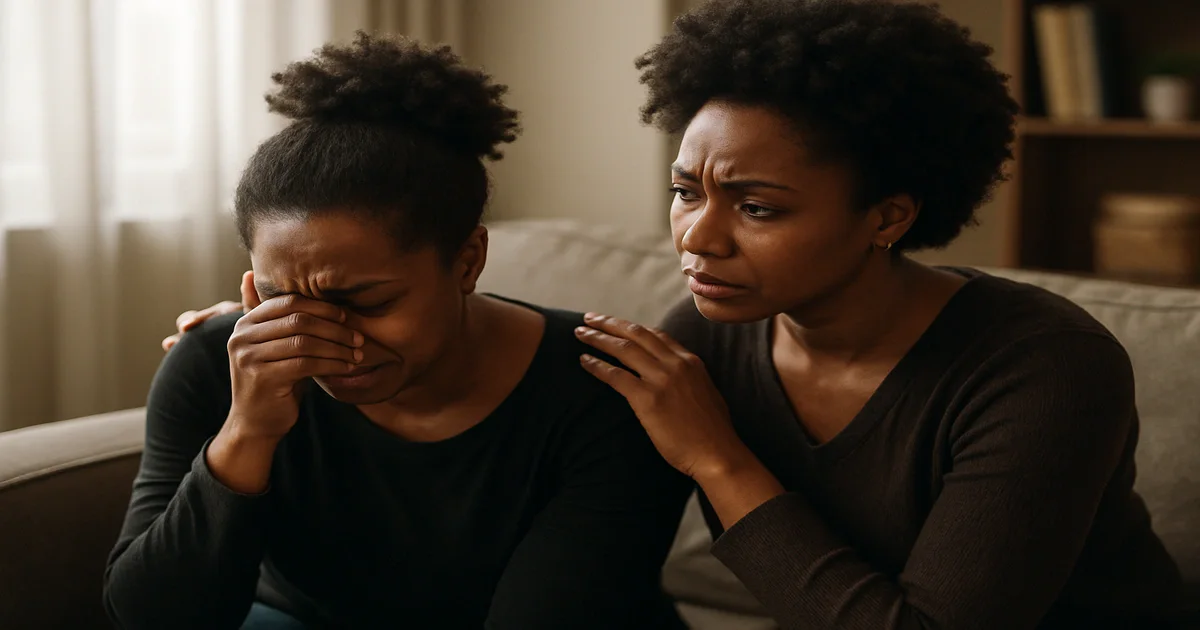
When people hear that someone has lost a sibling, they often pause, say “I’m so sorry,” and then move on - not out of indifference, but because they don’t quite know what to say next.
Sibling grief often sits in the background, quiet and unseen. Parents are at the centre of sympathy, the children and the spouse are comforted while brothers and sisters are expected to “be strong.”
And yet, the loss of a sibling is the loss of a shared history, an irreplaceable witness to one’s life. This month, as the world marks Bereaved Siblings Month, we are taking a moment to make space for this quiet grief, and to understand why it deserves to be spoken about more.
🕊️ At a Glance
- ·
Sibling loss is one of the least acknowledged forms of grief.
- ·
This kind of loss often disrupts identity and lifelong memories.
- ·
Many siblings grieve in silence because others assume they are “coping.”
- ·
Talking about it openly can help others heal and feel less alone.
- ·
Creating space for their stories brings comfort, connection, and belonging.
Why Sibling Grief Is So Often Overlooked
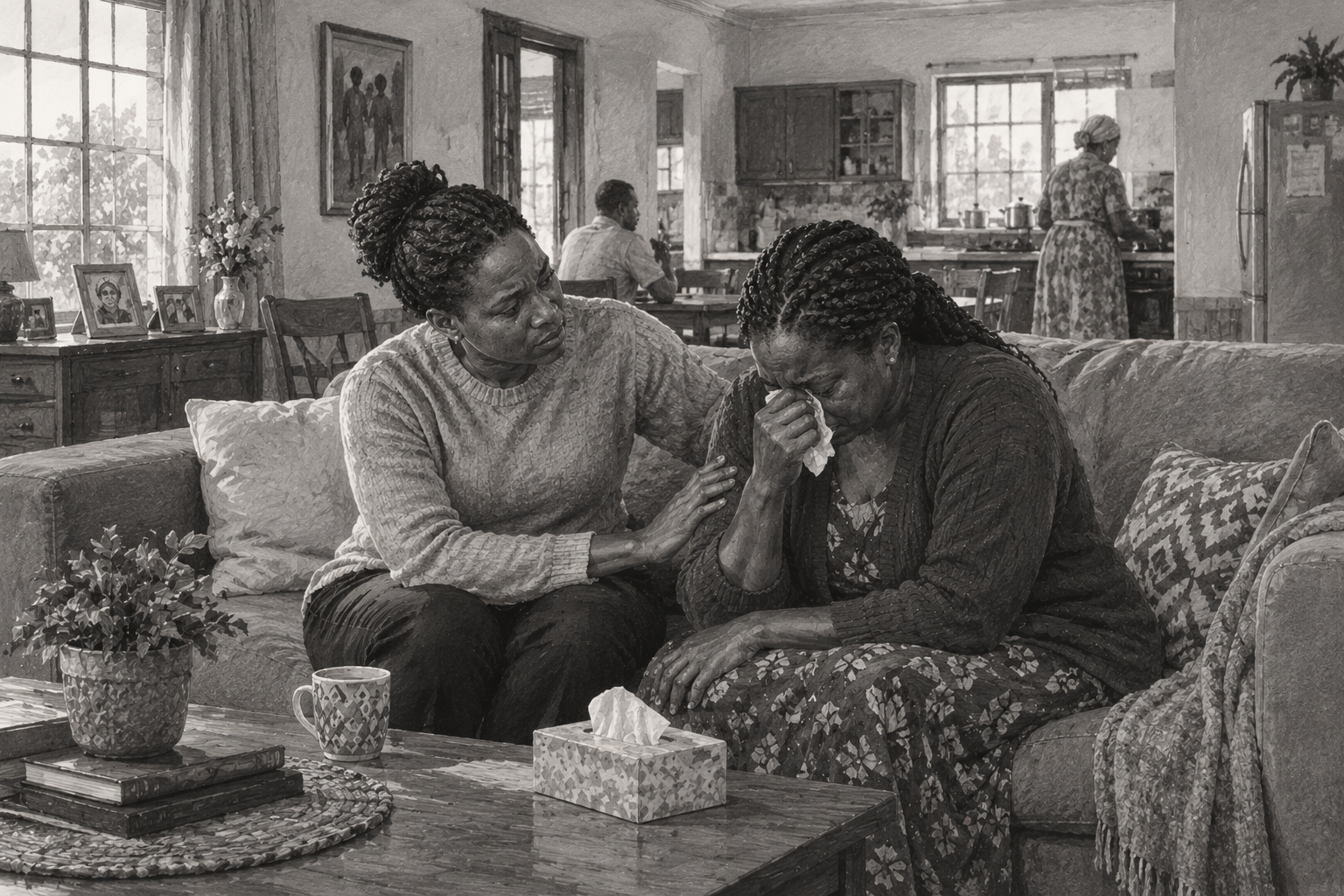
When a sibling dies, the world often turns its attention elsewhere — to the parents, to the partner (if they had one), to the immediate dependents. The surviving sibling, meanwhile, stands slightly to the side, offering help, managing logistics, and comforting others.
They may not even realise how much they’ve set aside their own pain until the silence returns.
Sibling grief doesn’t always look dramatic. It’s in the empty chair during family gatherings, in inside jokes that stop mid-sentence, in the instinct to send a message to someone who is no longer there. It’s subtle, lifelong and deeply formative.
And so, this kind of grief becomes what psychologists call “disenfranchised grief” — grief that’s real but unacknowledged.
This is why conversations like this one matter. Not to assign blame, but to name what so many have felt quietly for years.
1. Siblings Lose a Mirror of Themselves
When you lose a sibling, you lose someone who knew you before you became who you are. That shared past, those small and ordinary memories - they form a kind of mirror you can never replace.
- ·
A shared language: Every family has its private shorthand - nicknames, stories, jokes that only siblings understand. Losing that can feel like losing a piece of your identity.
- ·
A witness to your life: Your sibling often remembers parts of you that even you forget. Without them, some of those memories fade.
- ·
A change in self-image: The role you played - the big sister, the younger brother, the twin - suddenly shifts, and that change can be hard to name.
Grief often hides in memory. Allowing yourself to remember, even when it hurts, is part of healing.
2. People Often Don’t Know How to Respond
Most people mean well - they just don’t realise how deep the loss runs. When others see you functioning, they assume you’re fine.
- ·
Assumptions about strength: “At least you’re holding up” can sound comforting but may dismiss the pain beneath.
- ·
Uneven attention: Family and friends may focus on others they think are “more affected,” leaving siblings unsupported.
- ·
Pressure to move on: The longer time passes, the less space there seems to talk about it.
💡 Withpema exists to give every kind of grief - including sibling grief - a place to be seen, remembered, and shared. You don’t have to keep your story hidden.
3. Sharing Stories Keeps Their Memory Alive
Many siblings find comfort not in formal rituals, but in simple acts of remembering. Talking about their brother or sister - who they were, what they loved, the funny moments - keeps their presence alive in small but meaningful ways.
- ·
Storytelling as connection: Sharing memories helps others understand your sibling as more than the loss that ended their story.
- ·
Community validation: Hearing “me too” from someone who’s been there can make a world of difference.
- ·
Creating living memorials: Whether through writing, photos, or digital memorials, these acts help the memory continue to breathe.
Grief softens when memories are allowed to live out loud.
🌼 Withpema Insight
Sibling grief doesn’t need to stay in the shadows. When stories are shared, they build bridges - between family members, friends, and others who have walked the same path.
That’s why Withpema exists: to create spaces where every loss, no matter how quiet, can be honoured with dignity, love, and light.
Parting Thought: Give Sibling Grief a Name
Not every kind of loss gets the same language - but that doesn’t mean it hurts any less. If you’ve lost a brother or sister, your grief is valid. You are allowed to speak their name, tell their story, and let others know what they meant to you.
💡 This month, and beyond, Withpema invites you to make space for sibling stories - to share, to honour, and to keep their memories alive