- End-of-life preparation
- Grief & Healing
- Faith, Culture & Traditions
Ebola in Kenya: What Can You Do About the Fear of Dying? [Part 3]
Continued from Part 2: in the previous article, we took a deep dive into death anxiety, how it manifests generally and especially during an infectious disease outbreak. We established that fear of death is a normal human response to the reality of our mortality, but if it reaches a point of preventing you from enjoying life - that’s a problem. And there is no better time for these fears to be heightened than in the face of one of the world’s deadliest ailments - Ebola. It’s even worse when you have experienced the devastation of Covid-19. So what can we do to manage the anxiety?

Eric Ndubi
6 min read
Continued from Part 2: in the previous article, we took a deep dive into death anxiety, how it manifests generally and especially during an infectious disease outbreak. We established that fear of death is a normal human response to the reality of our mortality, but if it reaches a point of preventing you from enjoying life - that’s a problem. And there is no better time for these fears to be heightened than in the face of one of the world’s deadliest ailments - Ebola. It’s even worse when you have experienced the devastation of Covid-19. So what can we do to manage the anxiety?
This is a 3-part series, read Part 2 (What is Death Anxiety?) and Part 1 (Ebola in Kenya & Covid Memories)
You cannot completely eliminate the fear of death. In fact, you probably should not try to. Some concern about our own safety and the safety of people we love is a healthy part of being human.
The goal is to prevent that concern from becoming the thing that controls your life.
Start With What You Can Control
When death feels frightening, our minds naturally want certainty. We want to know that we will be safe, that our loved ones will be safe and that nothing bad will happen. Unfortunately, life cannot give us that guarantee.
What we can do is focus our attention on the things that are actually within our control:
Take reasonable precautions: Shift your energy away from uncontrollable macro-events and focus on practical, everyday safety measures (such as proper hygiene and following Ministry of Health advisories) and take sensible steps to protect yourself and your family.
Know the facts: Learn enough about the threat to make good decisions, but be careful not to turn information-seeking into endless checking of news, social media and symptoms.
Anxiety thrives on ambiguity and sensationalised rumors. Understand how a disease is actually transmitted (Ebola, for instance, requires direct contact with bodily fluids, unlike airborne respiratory viruses) and trust that established protocols like contact tracing and isolation are designed to contain the threat, not spell inevitable doom.
Ground your mind in the actual data provided by the Ministry of Health.
Separate risk from certainty: Being exposed to a risk does not mean that the worst outcome will happen. Try to ask, What do I actually know? rather than allowing What if...? to answer every question.
Accept some uncertainty: You may never know with complete certainty that you or someone you love will remain healthy. Learning to live with that uncertainty is an important part of managing death anxiety.
Be Careful About What You Feed Your Mind
During a health scare, information can become almost impossible to escape. Every notification can feel important. Every new case can feel personal. But consuming more information does not always make us feel safer.
Manage information overload: Constant doomscrolling keeps your nervous system locked in a permanent "fight or flight" response. You do not need to follow every update throughout the day. Check reliable sources at reasonable intervals and then get on with your life.
Be careful with social media: Fear spreads quickly online, often faster than accurate information. A dramatic story, rumour or video can make a threat feel much larger than it actually is.
Do not diagnose yourself from the internet: If you have genuine symptoms or concerns, speak to a qualified healthcare professional rather than repeatedly searching for reassurance online.
Keep Living Your Ordinary Life
One of the most important things you can do when you are afraid of death is to resist allowing the fear to shrink your life unnecessarily. But first, acknowledge and validate the fear. Do not shame yourself for feeling anxious.
Remembering how exhausting the pandemic years were makes it completely normal to feel triggered by fresh outbreak alerts, for example. Recognising the fear ("I am feeling panicked because this feels like 2020 all over again") helps strip it of some of its invisible power.
Managing death anxiety, whether general existential dread or acute panic during an outbreak, requires balancing emotional self-care with objective reality.
Keep your routines: Work, exercise, worship, school, meals, hobbies and ordinary conversations can give your mind something other than the threat to focus on.
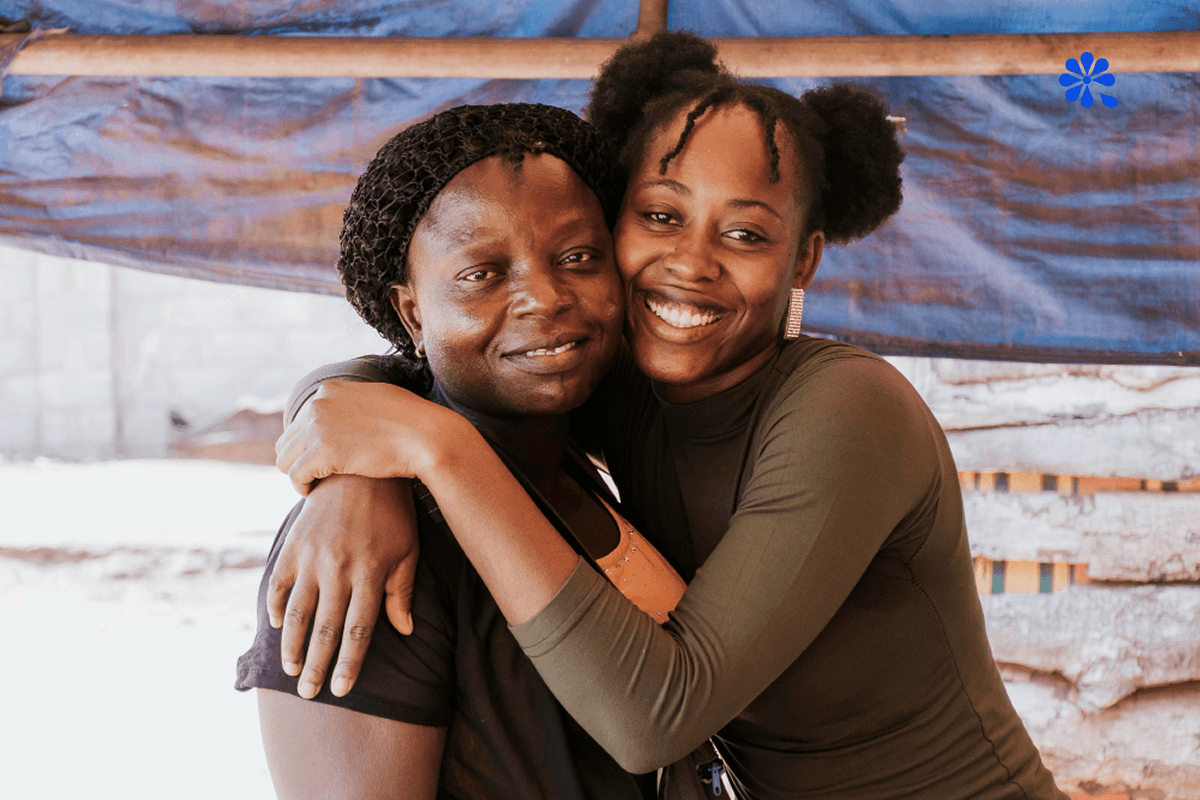
Stay connected to people: Fear can make us withdraw, but spending time with people we love can remind us that life is still happening beyond the thing we are worried about.
Do not treat every possibility as an emergency: There is a difference between being prepared and behaving as though disaster is already here.
Continue doing meaningful things: If there are people you love, tell them. If there are things you have been putting off, consider doing them. A reminder of death can also become a reminder to pay attention to life.
Extend grace to others: Remember that the hostility or panic you see in others - or feel in yourself - is often just misdirected terror. Choose empathy over suspicion.
What About the Fear of Losing Someone You Love?
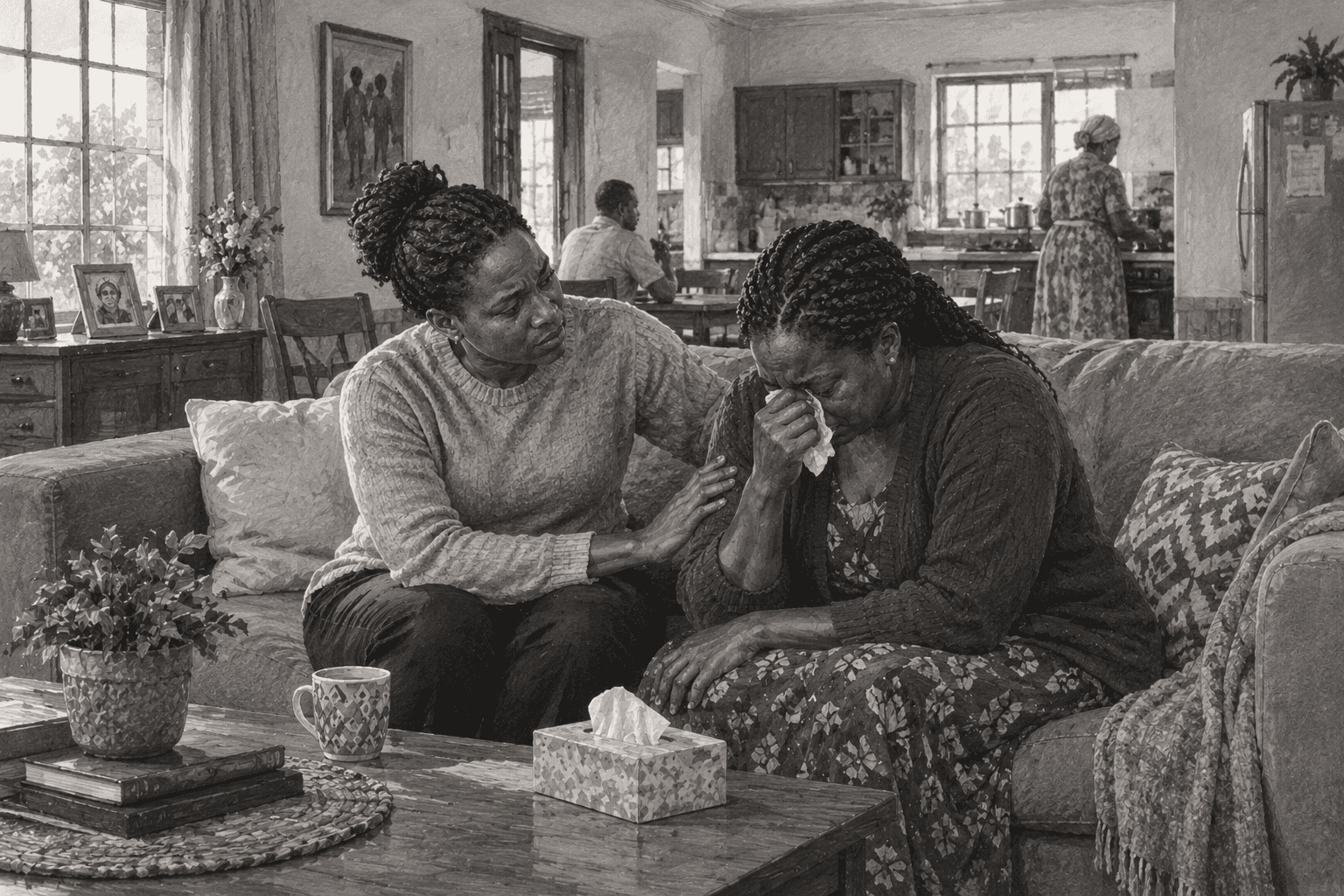
Sometimes our greatest fear is not our own death but the thought of losing someone else.
A parent may worry constantly about their children. A husband may become frightened by the possibility of losing his wife. Someone who has already experienced bereavement may become especially afraid that another loss is coming.
This fear can be painful precisely because there is no way to guarantee that the people we love will always be with us.
Recognise what the fear is telling you: Often, intense fear of losing someone is partly a reflection of how deeply you love and value them.
Do not turn love into constant monitoring: Checking on someone repeatedly, worrying about every symptom or trying to control everything they do may feel protective, but it can also make both of you anxious.
Make the relationship matter now: Spend time together, have the conversations that matter and express your appreciation. You cannot guarantee how long you have together, but you can influence what you do with the time you have.
And When the Anxiety Becomes Too Much?
There is no shame in getting help. Sometimes death anxiety becomes persistent enough to interfere with sleep, work, relationships or ordinary activities.
Talk to someone you trust: Simply putting the fear into words can make it feel less overwhelming.
Consider professional support: A counsellor, psychologist or other qualified mental health professional can help when anxiety becomes difficult to manage on your own.
Pay attention to your behaviour: If you are constantly checking symptoms, avoiding normal activities, unable to sleep because of thoughts about death, or living in a near-permanent state of fear, it may be time to seek additional support.
The point is not to convince yourself that death will never happen. It will. The point is to make sure that the possibility of death does not prevent you from participating fully in the life you still have.
Parting Thought: Live Life
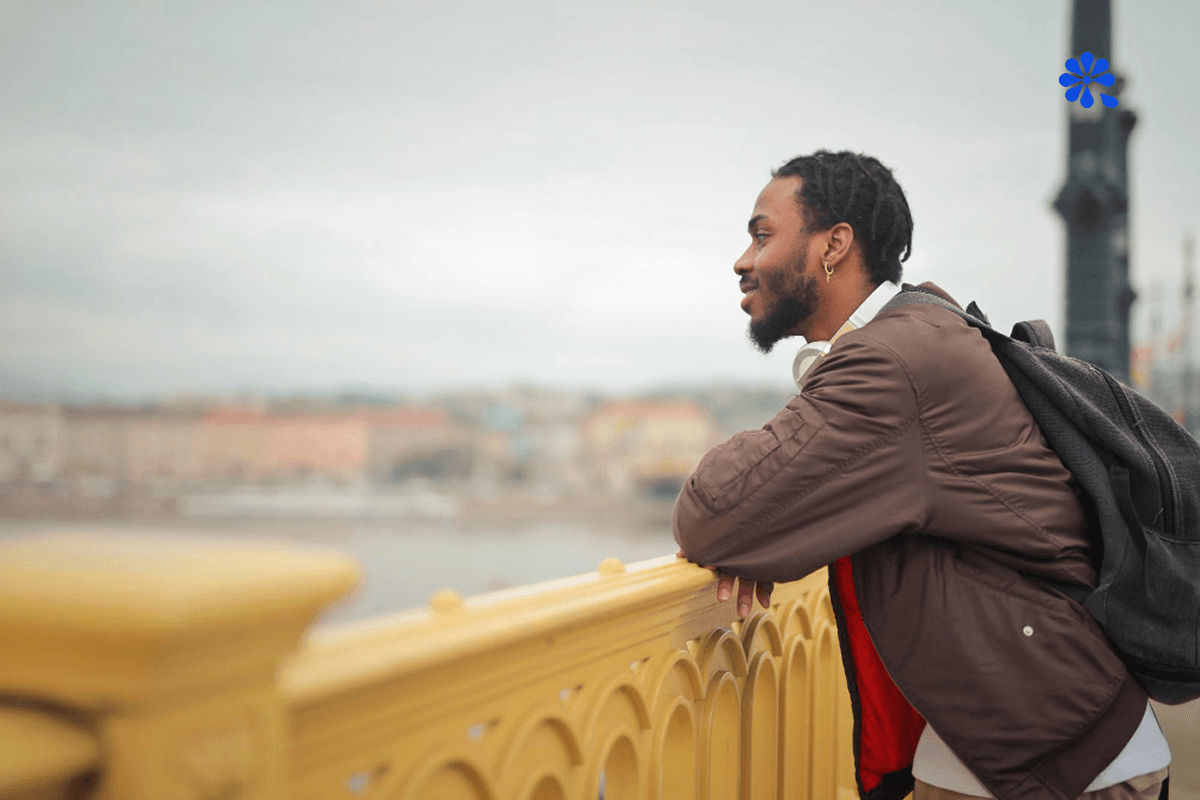
Life is for the living. Worrying about death does not empty tomorrow of its sorrows; it only robs today of its joy. As the good book says, worry does not add even a single hour to anyone's life.
History shows us that fear can lock us in our homes, turn us against our neighbors, and make us prisoners long before our time ever comes. The Covid years taught us that fear can take two years of living from us even when we survive.
We cannot barricade ourselves away from every risk the world presents, nor can we out-think mortality through constant dread. Life is meant to be lived in motion, connection, and presence, not in the shadow of what-ifs.
So take the necessary precautions, follow the facts, and then go back to your life: eat with your family, work, laugh and call your father. Death will come in its own time, but the days before it are the ones we get to live.
If we spend all our energy fearing the end, we will surely miss the entire gift of the middle (life).
This is a 3-part series, read on: